
Exploring the psychology of gambling in casinos
public,
Published on: August 31, 2026
The Allure of Risk and Reward
The psychology of gambling in casinos is intricately tied to the concepts of risk and reward. Many individuals are drawn to the thrill of potentially winning significant amounts of money, which often overshadows the inherent risks involved. This allure is not merely about financial gain; it taps into deeper psychological needs such as excitement, validation, and the anticipation of a win. Players often explore platforms like 1win for the possibility of hitting the jackpot, which is enough to entice them to repeatedly engage in gambling, often leading them to overlook the odds stacked against them. This fascination with risk is deeply rooted in human nature, where the promise of reward creates a compelling narrative that keeps players coming back for more.
The excitement experienced in a casino is also linked to adrenaline release during high-stakes gambling. The brain's reward system becomes activated in the face of a significant risk, triggering feelings of pleasure when a player wins, however small the amount may be. This creates a cycle where the brain begins to associate casinos with positive experiences, leading to repeated visits. The immersive environment of a casino, filled with lights, sounds, and social interactions, further amplifies this effect, making it challenging for players to resist the temptation to gamble. The combination of risk and reward serves as a powerful motivator, often blinding players to the reality of their gambling habits.
Moreover, the social aspect of gambling plays a crucial role in its psychology. Many people find enjoyment in the communal experience of playing games alongside others, sharing the highs and lows of gambling. This social connectivity can reinforce gambling habits, as players may feel encouraged by friends or the crowd's energy. As a result, the thrill of risk and reward becomes intertwined with social interaction, creating a multi-faceted allure that keeps individuals returning to casinos. The sense of belonging, camaraderie, and shared excitement can create a compelling reason for individuals to engage in gambling, reinforcing the cycle of play and potential loss.
The Role of Cognitive Biases
Cognitive biases significantly influence gambling behavior, often leading individuals to make irrational choices. One of the most common biases is the illusion of control, where players believe that they can influence the outcome of random games, such as slot machines or roulette. This false belief can drive individuals to gamble more frequently, thinking they can improve their chances of winning. The cognitive bias reinforces the notion that success in gambling is tied to personal skill rather than luck, which is rarely the case in games of chance. This skewed perception can lead to excessive gambling as players chase the thrill of what they believe is a controllable outcome.
Another prevalent bias is the gambler's fallacy, which occurs when individuals assume that past events can influence future outcomes. For instance, a player might believe that a particular slot machine is "due" for a win after a series of losses. This type of thinking can lead to continued betting, often resulting in financial losses as players chase what they perceive as an inevitable win. Such cognitive distortions exemplify how critical thinking can be clouded by emotional responses and misconceptions about probability. Gamblers may find themselves in a vicious cycle of belief and behavior, propelling them further into the gambling experience.
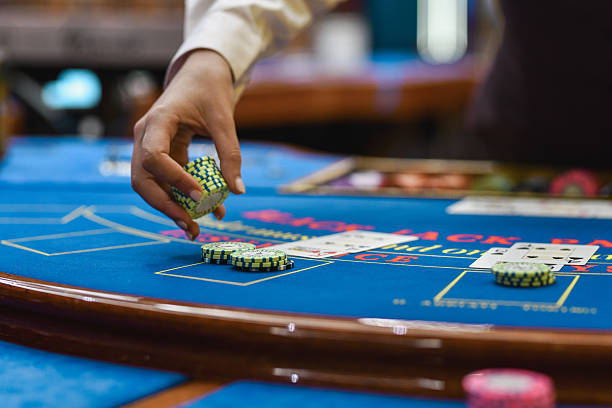
These cognitive biases are compounded by the design of casino games, which are often engineered to exploit these tendencies. For example, games are visually appealing, with engaging themes and sounds that enhance the gaming experience. Players may spend more time and money due to these captivating designs, as their cognitive biases push them to believe they are on the verge of a big win. Understanding these biases is crucial for anyone seeking to comprehend the psychology behind gambling and the decisions that lead individuals to continue playing, often at a significant financial cost. By recognizing these patterns, players can better navigate their gambling experiences and make more informed choices.
The Impact of Environment on Gambling Behavior
The environment within a casino is carefully crafted to facilitate and enhance the gambling experience. From the moment a player enters a casino, they are enveloped in a sensory-rich atmosphere designed to stimulate excitement and prolong their stay. Bright lights, vibrant colors, and engaging sounds work in unison to create an exhilarating environment. This sensory overload can distract players from the passage of time and the amount of money they are spending, allowing them to lose track of their gambling sessions. The design of the casino experience is intentional, aimed at immersing players in a world where the focus is solely on gambling.
Moreover, the absence of clocks and windows in many casinos reinforces this strategy by creating a timeless realm where players can immerse themselves fully in the gaming experience. Research has shown that such environments can lead to increased risk-taking behavior, as players feel less constrained by the external world. The social element, including the presence of other enthusiastic gamblers, can further escalate this effect, drawing players into prolonged gambling sessions as they absorb the excitement around them. The collective energy of a casino can create an intoxicating atmosphere, encouraging players to stay longer than originally planned.
Additionally, many casinos offer complimentary services like free drinks and meals to encourage players to stay longer and spend more. This tactic plays on the psychological principle of reciprocity, where individuals feel inclined to continue gambling as a way of repaying the perceived kindness of the casino. Consequently, the carefully orchestrated environment of the casino not only enhances the gambling experience but also significantly impacts players’ behavior, often leading to prolonged gambling sessions and increased financial expenditures. This strategic manipulation of the environment underscores the importance of understanding how surroundings can influence decision-making in gambling scenarios.
The Role of Emotions in Gambling Decisions
Emotions play a critical role in gambling behavior, influencing decision-making and risk assessment. Many gamblers experience highs and lows that can amplify their emotional responses, which in turn affects their gambling choices. For instance, when a player wins, feelings of excitement and euphoria can lead them to take bigger risks, mistakenly believing that their good fortune will continue. Conversely, losses can trigger emotions such as frustration and desperation, often pushing players to gamble more in an attempt to recover their losses. This emotional rollercoaster can cloud judgment and lead to impulsive decisions that exacerbate financial difficulties.
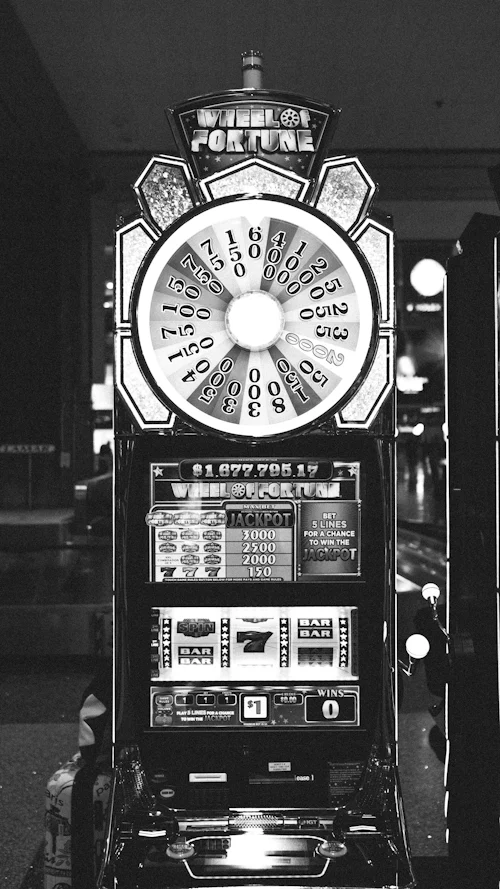
The emotional aspect of gambling is also tightly interwoven with personal identity and self-worth. Many individuals may use gambling as a way to cope with stress or negative emotions, seeking the thrill of winning to boost their mood or self-esteem. This psychological mechanism can lead to a cycle of compulsive gambling, where players gamble not purely for entertainment but as a method of emotional regulation. Understanding this connection between emotion and gambling is essential for recognizing the potential for harm and the development of gambling addiction. The interplay between emotions and gambling highlights the need for awareness and interventions that address the psychological underpinning of gambling behavior.
Furthermore, casinos often employ strategies to evoke emotional responses, enhancing players' attachment to the games. For example, the celebratory atmosphere surrounding a jackpot win can create a powerful emotional memory that players associate with their time in the casino. This positive reinforcement can solidify a player’s desire to return, as they crave the emotional highs previously experienced. By tapping into the complex interplay between emotion and decision-making, casinos can effectively promote continued engagement in gambling activities, sometimes with devastating consequences for individuals struggling with impulse control. Recognizing the emotional stakes at play can empower players to seek healthier ways to manage their feelings and gambling impulses.
Exploring Resources for Responsible Gambling
As the psychological intricacies of gambling become more understood, so do the resources available for promoting responsible gambling behavior. Numerous organizations and websites provide valuable information and support for individuals who may be struggling with gambling addiction or those seeking to understand better the risks involved in gambling. These platforms often offer practical tools, such as self-assessment questionnaires, educational materials, and guidance on how to set healthy limits when engaging in gambling activities. The availability of such resources is crucial for fostering a culture of accountability and informed decision-making among players.
Additionally, many casinos have started acknowledging the potential harms of gambling and are incorporating responsible gambling frameworks into their operations. This includes providing information on responsible gambling practices, creating awareness campaigns, and offering self-exclusion programs for those who need help controlling their gambling behavior. By fostering an environment of transparency and support, the gambling industry can contribute positively to the mental health of its patrons. These initiatives not only aim to protect players but also enhance the reputation of the gambling industry as a whole.
For anyone seeking to navigate the complexities of gambling, utilizing available resources and understanding the psychological drivers behind gambling behavior is crucial. Through education and awareness, individuals can make more informed decisions, helping to reduce the risk of developing harmful gambling habits and promoting a healthier relationship with gambling activities. Engaging with support networks and utilizing educational resources can empower individuals to take control of their gambling experiences, leading to more positive outcomes in their lives. Ultimately, fostering awareness and responsibility can pave the way for a more sustainable and enjoyable gambling environment.
Tags In
